
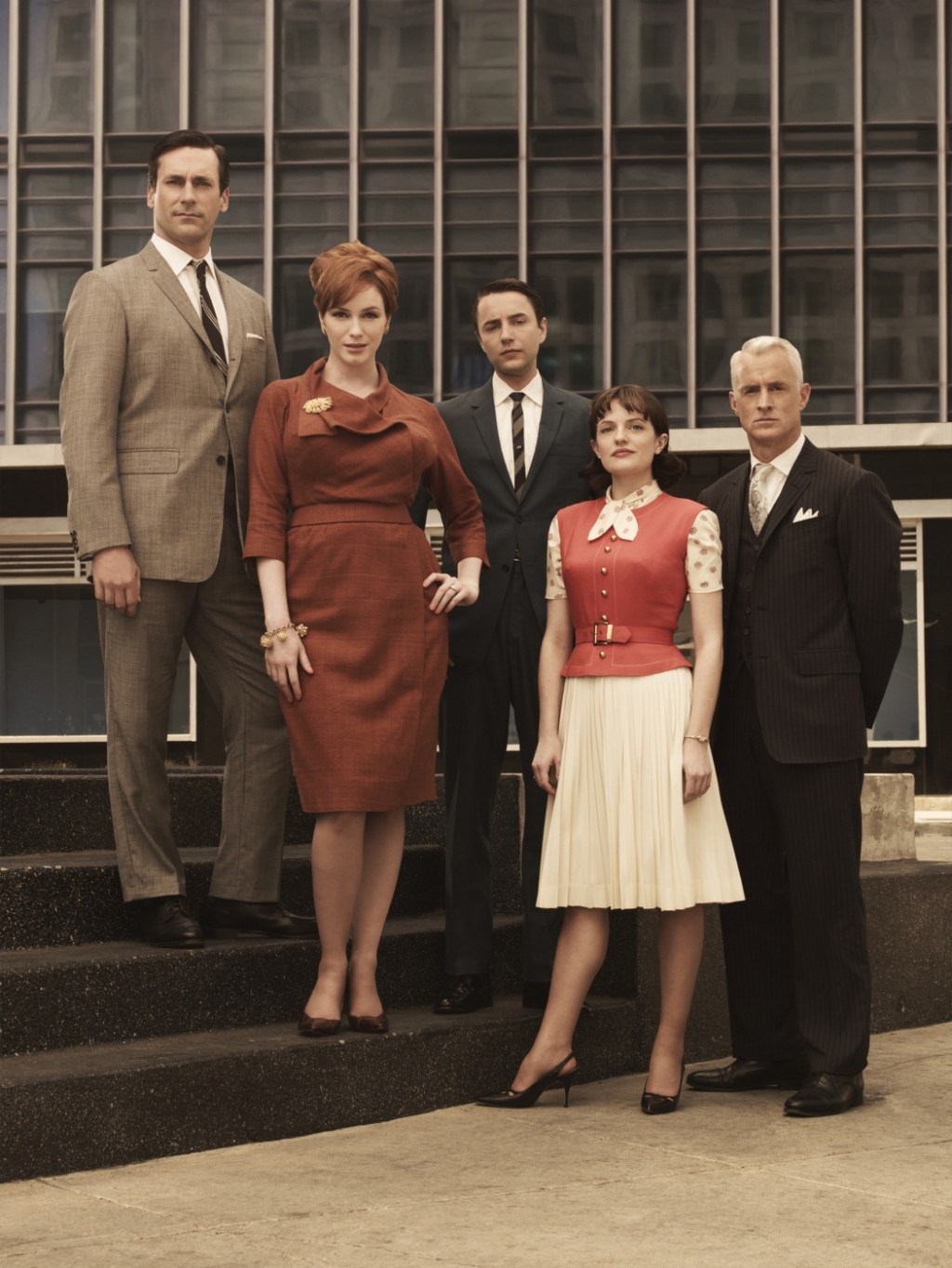
How would Don Draper advertise on Instagram? Where would Peggy Olson get her market insights? What new technology would Harry Crane adopt?
I often find myself thinking about Mad Men. It’s one of my favorite shows ever. It’s authentic, witty, relatable, character-driven, and endlessly rewatchable. It’s a masterpiece with some of the best writing, acting, and attention to detail that we’ve seen on television or otherwise.
When I watch Mad Men, it’s hard to escape viewing it through a marketing lens. Having been a digital marketing professional for over 13 years, I naturally relate to many of the situations these characters find themselves in at work.
This has often led me to wonder how these characters would perform in the modern marketing and advertising world, especially with today’s digital tools and strategies. While Mad Men takes us back to an era dominated by print advertising, the fundamental principles of marketing and advertising remain timeless.
In this blog, I take a lighthearted look at a few key characters from Sterling Cooper Draper Pryce and explore their values, and how they might adapt to the dynamic landscape of digital marketing and advertising.
Don Draper: Master of Intuition
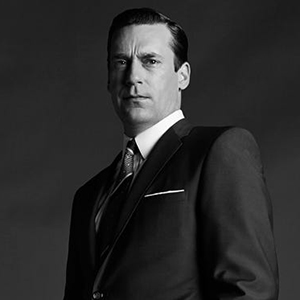
“Advertising is based on one thing: Happiness”
The biggest professional shift from the era of Mad Men to now is how data-driven advertising has become. You see the beginnings of market research in the show, from testing sessions to psychological studies to the implementation of computer modeling. Don Draper, ever the maverick, doesn’t use data as a crutch.
Don relies more on his keen instinct and ability to wax narrative than data and insights provided by others. In the Pilot Episode, Don tosses the market research on cigarette use in the trash, and later gives an inspired pitch on Lucky Strike cigarettes that defines the show for the viewers.
That’s not to say that Don doesn’t use analytical tools available to him. In Season 4, Episode 7, Don uses research provided by Peggy and her team about the durability and reliability of Samsonite suitcases. Although much of the episode focuses on Don’s creative struggle, he ultimately integrates these insights into his pitch by emphasizing the brand’s strength and reliability, drawing a parallel with the legendary Muhammad Ali fight.
Data can indicate trends, but someone has to make sense of them. Data is not coming up with ideas, people are. Don Draper, for this reason, would thrive in a modern setting. Data has value, but it’s only as good as the creative and empathetic capacity of the analysis.
Don’s emphasis on creative vision before data aligns well with contemporary marketing practices. Sometimes we don’t have all of the information we want, other times we have to trust our gut instinct based on what we know. Data would be used as a tool for Don to refine imaginative concepts, not drive them.
What tools or platforms would Don be driven to?
Instagram and TikTok. Don is a visual storyteller and would thrive at grabbing attention quickly and holding it.
YouTube. With over One billion hours of video watched every day, Don’s mouth would water at having such a sizable audience to advertise to.
Peggy Olson: Data-Driven Innovator

“I don’t think anyone wants to be one of a hundred colors in a box.”
Peggy Olson’s transition from secretary to copy chief in a male-dominated workplace showcases her exceptional ability to harness consumer insights and drive innovation. One standout example is her work on the Belle Jolie lipstick campaign. In Season 1, Episode 6 , Peggy identifies a crucial insight about purchasing behaviors during a testing session: women aren’t buying lipstick for the color, but for how it allows them to express their identity.
Peggy’s keen observation leads her to develop a campaign that emphasizes the personal and emotional significance of choosing the right lipstick. This approach reflects a sophisticated understanding of consumer psychology, even in an era when market research was less advanced. By focusing on the idea that lipstick is a means of self-expression, Peggy’s campaign taps into deeper consumer motivations, making it both memorable and effective.
In the modern digital marketing landscape, Peggy would be at home leveraging sophisticated analytics tools to uncover similar insights, such as user preferences and emotional drivers. Her ability to translate data into compelling narratives ensures that her campaigns are both creative and data-driven, bridging the gap between consumer needs and brand messaging.
While there are many parallels throughout the show between Don Draper and Peggy Olson, one key difference in their approach stands out. Don Draper relies primarily on his intuition and emotional storytelling to craft compelling narratives. In contrast, Peggy Olson integrates consumer insights and market research directly into her creative process, ensuring that data drives her campaign strategies.
What tools or platforms would Peggy be driven to?
ahrefs and SEMrush. Peggy would thrive with in-depth keyword research, helping her understand consumer search behavior.
Canva. Peggy would love the ability to improve team collaboration and run strategy sessions in a visual shared space.
Roger Sterling: Expert in Client Relations

“The day you sign a client is the day you start losing them.”
Roger Sterling is perhaps the quintessential representation of imposter syndrome in television. While his colleagues are producing tangible content for billboards and magazines, Roger’s contributions are less visible, albeit extremely valuable. As the series progresses, Roger grapples with his identity and diminishing role while others rise in prominence. His self-doubt reaches a peak when he dubs himself Professor Emeritus of Accounts after losing the Lucky Strike account, a blow that sees Pete and Ken vying for account dominance.
The loss of Lucky Strike in Season 4 marks a critical turning point in Roger Sterling’s career. This setback is not only a significant blow to the agency but also to Roger’s self-esteem. Confronting this failure forces Roger to re-evaluate his approach to client management and address his insecurities.
In the wake of losing Lucky Strike, Roger gains a deeper understanding of what it takes to maintain client relationships. He realizes that charm alone is insufficient; effective client management requires strategic insight and sustained engagement. This new perspective drives Roger to adopt a more proactive and attentive approach to client interactions, focusing on fostering long-term partnerships.
Roger’s further evolves and he grows to appreciate the importance of collaboration with his colleagues. The failure with Lucky Strike underscores the necessity of integrated strategies and teamwork in managing major accounts. Roger starts to work more closely with other members of the agency, recognizing that the strength of client relationships relies on the collective efforts of the entire team.
This experience shifts Roger’s view on providing client value. He becomes more focused on delivering ongoing value and adapting to the changing needs of clients. This lesson helps him approach his work with a renewed emphasis on understanding client priorities and ensuring that the agency’s services align with their evolving requirements.
The lessons Roger Sterling learns from the loss of Lucky Strike are as relevant today as they were 60 years ago. His journey highlights the importance of resilience, adaptability, and continuous learning in client management. Roger’s experiences illustrate the need for a balance between personal rapport and strategic insight in building and sustaining valuable client partnerships. Client relationship management will always be a key part of this industry.
What tools or platforms would Roger be driven to?
Salesforce and Hubspot. Roger always kept his Rolodex handy and this is the modern version of it. With some training and comfort, he would be great at managing client relationships and tracking interactions across his team.
LinkedIn. A bit of a traditionalist, Roger would be right at home making digital connections and pitches, or even dabbling in content creation on behalf of the business.
Joan Holloway: The Organizational Strategist

“I’m in charge of thinking of things before people know they need them.”
Joan Holloway is the ideal project manager and team leader. From start to finish, Joan proves to be the most organized and valuable employee in the various companies throughout the show. While others play important roles in gaining and maintaining business, the companies simply cannot run without Joan at the helm. Throughout Mad Men, Joan demonstrates her ability to coordinate multiple key responsibilities and manage office dynamics, ensuring smooth operations even under pressure.
Often enough, these are the roles that we are asked to do as marketers. Not everything revolves around our technical skills, but how we manage our time and coordinate our team to meet objectives. A good project manager is able to work with people from diverse backgrounds and effectively communicate between leadership and their team. Leaders like Joan are always valuable.
Joan’s leadership acumen doesn’t slow down throughout Mad Men, as she realizes her full potential by the end of the series, striking it out on her own as the head of her own production agency, Holloway-Harris.
What tools or platforms would Joan be driven to?
Trello or Asana. Joan always has a hundred projects happening at once, and would be an expert in these project management and team coordination tools.
HootSuite. Joan would love the organizational efficiency of being able to schedule hundreds of planned social posts in advance.
Pete Campbell: The Competitive Analyst

“The President is a product. Don’t forget that.”
Pete Campbell’s keen sense of competition and market analysis would make him a formidable player in today’s digital marketing landscape. Known for his competitive edge and knack for spotting opportunities, Pete excels at identifying market gaps and emerging trends. While at first Pete lets his ambition get in the way of his success, he eventually becomes a trusted and reliable colleague, as his work ethic and ability rise to the top.
One notable example from the show is Pete’s discovery of an untapped market for Admiral televisions among African American consumers. This insight reflects his ability to analyze and act on data to position products effectively. Another example of his perception is when the creatives at Sterling Cooper are critiquing the Kennedy television ad for being insubstantial and reminiscent of a children’s cereal advertisement. Pete is quick to note that advertising for the office of President is no different than their other work, a point that is hammered home when you see the ineffectiveness of the Nixon ad, where he gruffly talks about policy.
Pete Campbell would thrive in a modern environment. He would be unstoppable with the tools available for competitor analysis and market research today. Between monitoring of competitor strategies, identifying market opportunities, and refining digital marketing tactics, he would be a valuable team member for any marketing team. His analytical approach would ensure that campaigns are strategically positioned to stand out in a crowded market.
What tools or platforms would Pete be driven to?
SimilarWeb or ZoomInfo. Pete would be a power user with these tools, gaining understanding into client and competitors insights.
HotJar. Pete would no doubt be able to discern valuable insights by having visualized user experience data at his fingertips.
Harry Crane: The Early Adopter

“It doesn’t make any sense. It looks right, sounds right, smells right. But something’s not right. What is it?”
I wanted to add Harry Crane to the list here, despite him not being one of the primary characters in the show, since he shows a prowess for technology that the others don’t. Between his role as the head of the media department and bringing in television as a medium, and his implementation of computer modeling to the business, Harry demonstrates an ability to effectively recognize and leverage emerging platforms.
Today, Harry would likely be at the forefront of emerging digital advertising technologies, from the AI revolution to the shift to contextual ads to Connected TV advertising.
Early adopters like Harry are always valuable to businesses and agencies. Being able to stay ahead of technological trends and utilize the latest tools and platforms to drive effective digital advertising strategies brings value to any organization.
What tools or platforms would Harry be driven to?
ChatGPT and JasperAI. Harry would live in these platforms and seek to implement AI tools into every facet of the company. (This would be received just as well as the computer was in the show)
Adobe Advertising Cloud or Google DV360: Harry would usher in an environment of greater audience control and insights.
Wrapping Up
“Make it simple, but significant.”
While tools and technologies have evolved significantly since the era of Mad Men, the core principles of effective marketing remain unchanged. Creativity, strategic insight, and strong client relationships are as crucial now as they were in the 1960s. The characters from Mad Men embody these timeless principles, demonstrating that while the tools may change, the essence of what makes a great marketer endures.

 Aaron Edwards