

Why You Should Focus on SEO and Not Hire a Reputation Management Agency
I have witnessed multiple business leaders waste countless marketing dollars with reputation management agencies. It’s a bit of a sore subject for me. I value a sustained and earned marketing approach, so nothing could be more antithetical to my core beliefs than the promise of a quick fix. That’s what these agencies live by. Instead of focusing on content, good customer service, and acknowledgement of flaws, these companies represent investment in quick fixes and papering over the cracks.
But I can’t say that I don’t understand where frustration and desperation from leadership is coming from. It hurts when you get an honest bad review, and it hurts even more when people blatantly lie about your business. Fake reviews are painful to read, and unsurprisingly they affect your bottom line. Consumers are overwhelmingly considering online reviews when making purchasing decisions. With 93% of customers reading reviews before buying, there’s no escaping a consumer-voiced economy. That’s why business leaders obsess over them, but this obsession often leads to poor decision-making.

Critique is one thing, but when someone writes something unabashedly false, the immediate instinct is to want it stricken from the record. This urgency aligns with the stereotypical C-Suite mindset, which typically doesn’t value a slow and methodical marketing approach. Reputation Management Agencies exist only because they promise to fulfill leadership’s desire for immediate results.
How much do bad reviews actually impact business? And should you really hire a reputation management company to remove them?
First, I think it’s important to remember you can’t please everyone. People will argue about anything and everything and get passionate, or even tribalistic, about businesses they like or don’t like. Bad reviews are part of life. In fact, bad reviews help you more than hurt you, if addressed properly. 45% of customers are more likely to visit businesses that respond to negative feedback. This is a hard concept to convey to some, and I’ve seen it ignored by owners and founders who take pride in their products and services. Where a professional marketer would suggest a cultivated approach, a reputation management agency will prescribe deforestation.
Understanding that negative feedback can be leveraged to improve and showcase responsiveness is lost on leadership at times. Rather than engaging with criticism constructively, businesses often want to erase it completely or even hide behind made up reviews.
So what happens next in this situation? Leadership takes it into their hands to see what can be done about bad reviews, and that’s where reputation management companies focus their attention the most. Feeding on desperation. Leadership is sold on a quick solution to their problem and all of a sudden, marketing is comparison shopping between different reputation management agencies.
Doing something is better than doing nothing?
One decision maker, who I previously reported to, told me, “doing something is better than doing nothing.” But this couldn’t be further from the truth. As marketers, we consistently focus on reputation management as a core part of our SEO and brand strategy. We respond to reviews promptly and engage with consumers when given the opportunity. We prioritize quality content management and the cultivation of a positive online presence through genuine interaction and transparency. The “doing something” part of what they’re looking for is actively taking down reviews, or one of the oldest plays in the rep management agency playbook, sockpuppeting.
Sockpuppeting is the creation of multiple fake social media or forum accounts to manipulate discussions, promote content, or attack competitors, and is often used in astroturf campaigns to create the illusion of widespread grassroots support or criticism. These agencies show a handful of positive reviews and an improved overall score to companies as proof of improvement.
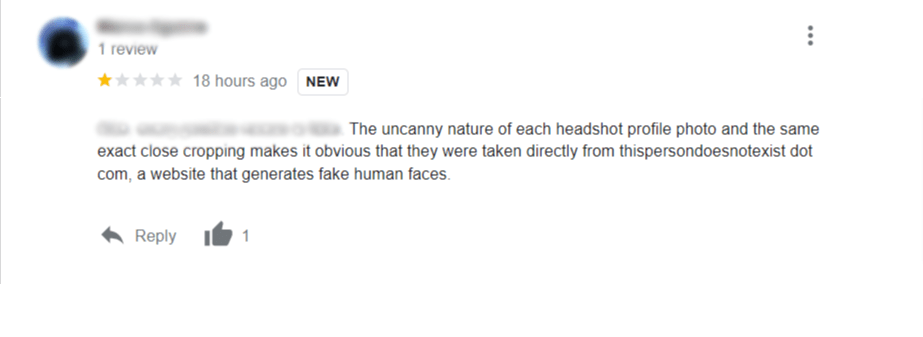
But if you look closer, there are always issues with the fake reviews. The names are weird, the names don’t match the images, and the reviews are filled with grammatical errors and are categorically false. Children could spot these false reviews, and discerning consumers almost certainly do. An estimated $152 billion is lost globally because of fake reviews, which not only mislead customers but also damage the reputations of businesses involved.
Reputation Management Agencies Are Not Outsmarting Google
Google has numerous checks for fake reviews and review tampering, and companies caught using them can face penalties, including lower search rankings or removal from platforms. Last year, Google removed 170 million fake reviews from their platform, as they have improved fake review detection and auditing. These agencies are not outsmarting Google, and the risks far outweigh any short-term gains from these deceptive practices.
That’s not all these companies do. Many also engage in manipulative link schemes, such as using Private Blog Networks (PBNs) to create interconnected blogs that artificially inflate the authority of certain pages through backlinks. Another tactic is link buying, where companies purchase links to boost search rankings, a practice that violates search engine guidelines and can lead to severe penalties. Additionally, some companies use click fraud techniques, employing bots or click farms to inflate engagement metrics artificially or harm competitors through fraudulent clicks on ads. These deceptive practices not only risk damaging a business’s reputation and search visibility but can also incur financial penalties and legal consequences. Their actual impact is suspect. I have seen time and again where these tactics have caused a drop in domain reputation and lead to lower organic traffic.
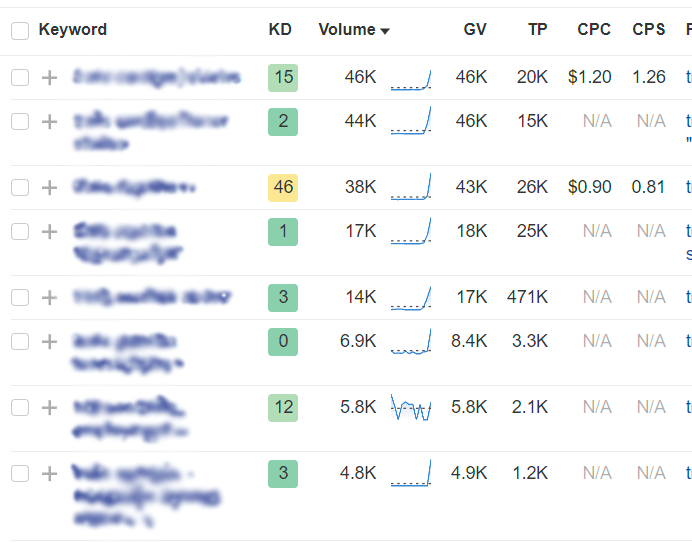
It’s not just direct financial loss that is at stake. In addition to financial penalties and decreased search visibility, using unethical reputation management practices can severely impact trust and customer perception. When customers discover fake reviews or manipulative tactics, their trust in the brand can be eroded, leading to long-term reputational damage. Consumers are increasingly savvy and expect authenticity from the brands they support. Once trust is lost, it is difficult to regain, and the ripple effects can include decreased customer retention and negative word-of-mouth, both of which can significantly impact a company’s bottom line.
Reputable Reputation Management
It’s important to note that these aren’t just seedy, fly-by-night operations with faceless leadership. I’m talking about the most respected reputation management companies, featured prominently on the first page of search results. The ones who charge hundreds of thousands of dollars a year for their services are employing these risky strategies. The allure of quick fixes and the prestige of well-known agencies can tempt businesses to invest heavily. The very reputation you seek to protect can be further tarnished by these unethical methods employed at the highest levels of the reputation management industry.
The Secret Sauce of Reputation Management
Organizational leaders get wise to their tactics though. If you press these agencies hard and ask for specifics on their strategies, they’re quick to say that it’s “part of their secret sauce” and their unique blend of services is what makes them unique. This is bullshit (professionally speaking). Marketing is about transparency, and if an agency can’t or won’t share the exact steps they’re taking to improve your business, it’s a major red flag. Chances are, they’re either not doing anything and collecting a paycheck, or they’re doing something unsavory. I don’t think it’s a surprise to anyone at this point that these agencies prefer short-term contracts.
Ultimately, the flaws of reputation management companies highlight the critical importance of focusing on a sustainable, SEO-driven approach instead.
Embracing Ethical and Effective Alternatives
Instead of resorting to quick fixes offered by reputation management agencies that will harm your business in the long run, there are several ethical and effective strategies to manage and improve your online reputation:
Focus on Quality Content: Creating and sharing high-quality content across your social media channels, websites, and newsletters is a cornerstone of effective SEO and reputation management. By regularly publishing informative articles, engaging social media posts, and insightful blog entries, you can naturally attract positive attention and build authority in your industry naturally and sustainably.
Engage with Customers: Actively engaging with your customers through social media, forums, and direct communication helps build trust and loyalty. Respond promptly and thoughtfully to both positive and negative feedback, demonstrating that you value your customers’ opinions and are committed to addressing their concerns.
Enhance Customer Service: Improving your customer service processes can lead to better customer experiences, reducing the likelihood of negative reviews. Aim to handle complaints effectively and turn potentially negative interactions into opportunities for strengthening customer relationships.
Solicit Genuine Reviews: Encourage satisfied customers to leave honest reviews. Plan to follow up with customers after they make a purchase. Highlight these positive reviews and customer testimonials on your website and social media platforms to showcase your commitment to quality and customer satisfaction.
Monitor Your Online Presence: Regularly monitor your online presence to stay informed about what is being said about your business. Track mentions and reviews, and address any issues proactively. This vigilance helps you stay ahead of potential problems and allows you to engage with your audience more effectively.
Invest in SEO: Investing in a strong SEO strategy is crucial for maintaining visibility and credibility online. Optimize your website for relevant keywords, ensure it is mobile-friendly and fast-loading, and focus on building high-quality backlinks through legitimate channels.
Transparency and Honesty: Be transparent about your business practices, values, and any changes you implement in response to feedback. Honesty and transparency foster trust and respect, strengthening your reputation over time.
Understanding the Distinction Between Reputation Management and Public Relations Agencies
I’ve said a lot about reputation management agencies in this blog. I think it’s important to distinguish between reputation management agencies and public relations agencies, as they serve different purposes and employ varying strategies.
As I mentioned, reputation management agencies primarily focus on influencing public perception through online tactics, often emphasizing immediate results. Public relations agencies take a broader and more strategic approach to shaping a company’s image. They focus on building and maintaining positive relationships with the public and media through transparent communication. PR agencies work to enhance brand reputation by crafting compelling narratives, managing media relations, and engaging in community outreach. Their efforts are aimed at establishing long-term credibility and trust, aligning closely with the ethical and sustainable practices advocated by marketers committed to genuine reputation management.
Final Thoughts
While the allure of quick fixes offered by reputation management agencies might be tempting to business leaders facing negative reviews and online challenges, these short-term solutions often lead to greater risks and long-term damage. The deceptive practices employed by even the most reputable agencies can erode trust, damage customer relationships, and result in financial and reputational penalties. In contrast, adopting a sustainable, SEO-driven approach that focuses on transparency, quality content, and customer engagement is far more effective in building and maintaining a strong brand reputation. Embracing these ethical and effective alternatives will ensure enduring success and a resilient reputation in today’s consumer-voiced economy.

 Aaron Edwards